Power first. Off the grid queue, behind the meter, fueled by sea — the half of the business most clouds rent, owned.
The model
The binding constraint on AI infrastructure is not silicon — it is electricity, and the queue to get it. Artemis X campuses do not stand in that queue: generation is built on campus, behind the meter, with the utility as standby rather than lifeline.
The years-long grid queues that gate every greenfield build never touch the schedule. Power and compute arrive together, phased so that compute never waits for a power plant.
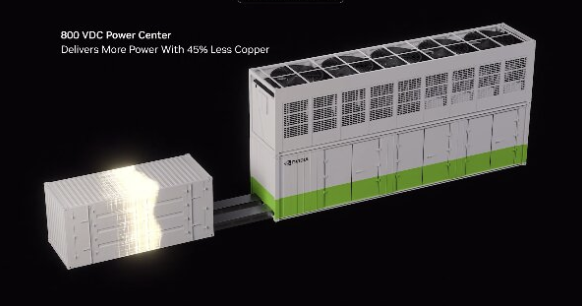
Electricity is generated on campus and dedicated to the compute it serves, every operating hour. Generation and conversion are engineered to the 800 VDC input of the NVIDIA DSX POD units in the hall. The utility stands by; the campus does not depend on it.
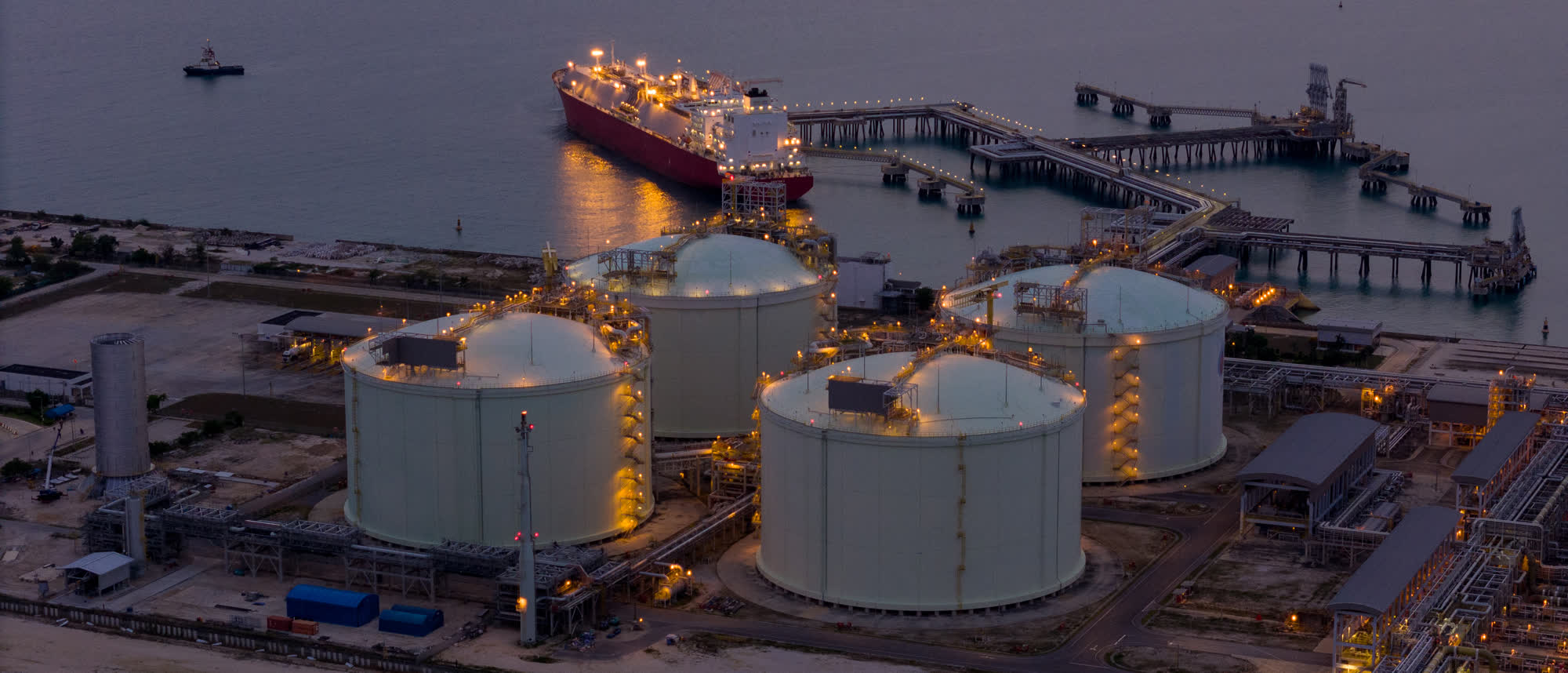
Liquefied natural gas under an executed fuel-logistics agreement — shipped by sea, trucked in ISO containers, with a multi-day reserve held on campus. A marine supply chain with no pipeline dependency.
Selective catalytic reduction on every engine, a minor-source emissions design, and closed-loop cooling that draws zero water — a campus built to run inside its permits at full planned capacity.
Power
The campus runs behind the meter on its own generation, brought on in phases so that compute never waits for a power plant. Each phase is in place before the load that needs it.
The plant's existing industrial service carries construction and commissioning — power that exists today, not power to be built.
The temporary plant: a rental fleet of containerized Cat XGC1900 natural-gas generator modules with battery energy storage, on site within 60–90 days of order and commissioned ahead of need. It takes the full campus at the July switch-on and carries it until the permanent plant arrives; the utility service drops to standby.
A permanent gas plant with selective catalytic reduction on every exhaust replaces the rental fleet and carries the campus long-term, with headroom for expansion.
Fuel. Liquefied natural gas, delivered by sea and trucked to the campus in ISO containers under an executed fuel-logistics agreement, with a multi-day reserve held on site.
Emissions. Every engine runs behind selective catalytic reduction. The campus is designed to operate within minor-source air-permit thresholds at full planned capacity.
Sizing. At the full 35 MW of IT load the campus draws about 41 MW — the racks plus coolant pumps, dry-cooler fans, trim chillers and house power. The temporary fleet is sized to that load with one unit of margin, 23 units × 1.9 MW = 43.7 MW, with the 14 MW utility service as standby behind it. The permanent plant is built at 50 MW because owned headroom is cheap: redundancy inside the plant and room for the first expansion pods.